
Drywall Texture Types:
A PNW Homeowner’s Guide
What is Drywall Texture?
Drywall texture can rescue a wall—or date a room. In the Pacific Northwest, buyers lean toward clean, photo‑friendly surfaces that feel calm and modern. Therefore, picking the right drywall texture matters for aesthetics, resale, and maintenance. Essentially, drywall texture is a bumpy or patterned finish put on walls or ceilings to hide small imperfections and change how the surface looks and feels.
Below you’ll find the common finishes you’ll see across Washington, the styles that can age a home, and a quick selector to help you choose by room and lighting. We can apply any of them.
Key Takeaways
Most common drywall textures in WA:
- Smooth, light orange peel, and light–medium knockdown. These photograph well and blend easily, making future repairs less expensive.
Likely to date a home:
- Popcorn and heavy, busy patterns (e.g., heavy stomp or heavy knockdown).
Lighting changes everything:
- Strong side light and darker paint expose flaws; in those rooms, smooth or very light textures work best.
Drywall Finishing 101 (In 60 seconds)
How is drywall texture applied?
Textures are either sprayed (e.g., orange peel, splatter knockdown) or hand‑troweled (e.g., skip‑trowel/Santa Fe). Finishing with orange peel texture tends to be the most cost effective route because it requires less joint compound (drywall mud) to finish. Because drywall paper has its own texture, covering it up with orange peel is a relatively easy and quick endeavor.
How smooth is “smooth”?
“Smooth” usually means Level 4 or Level 5 finish. Level 5 adds a thin skim coat over the entire surface for the flattest, most uniform look—great for critical lighting and darker colors. Want to know what these levels mean? →
The 3 Most Common Textures in the PNw
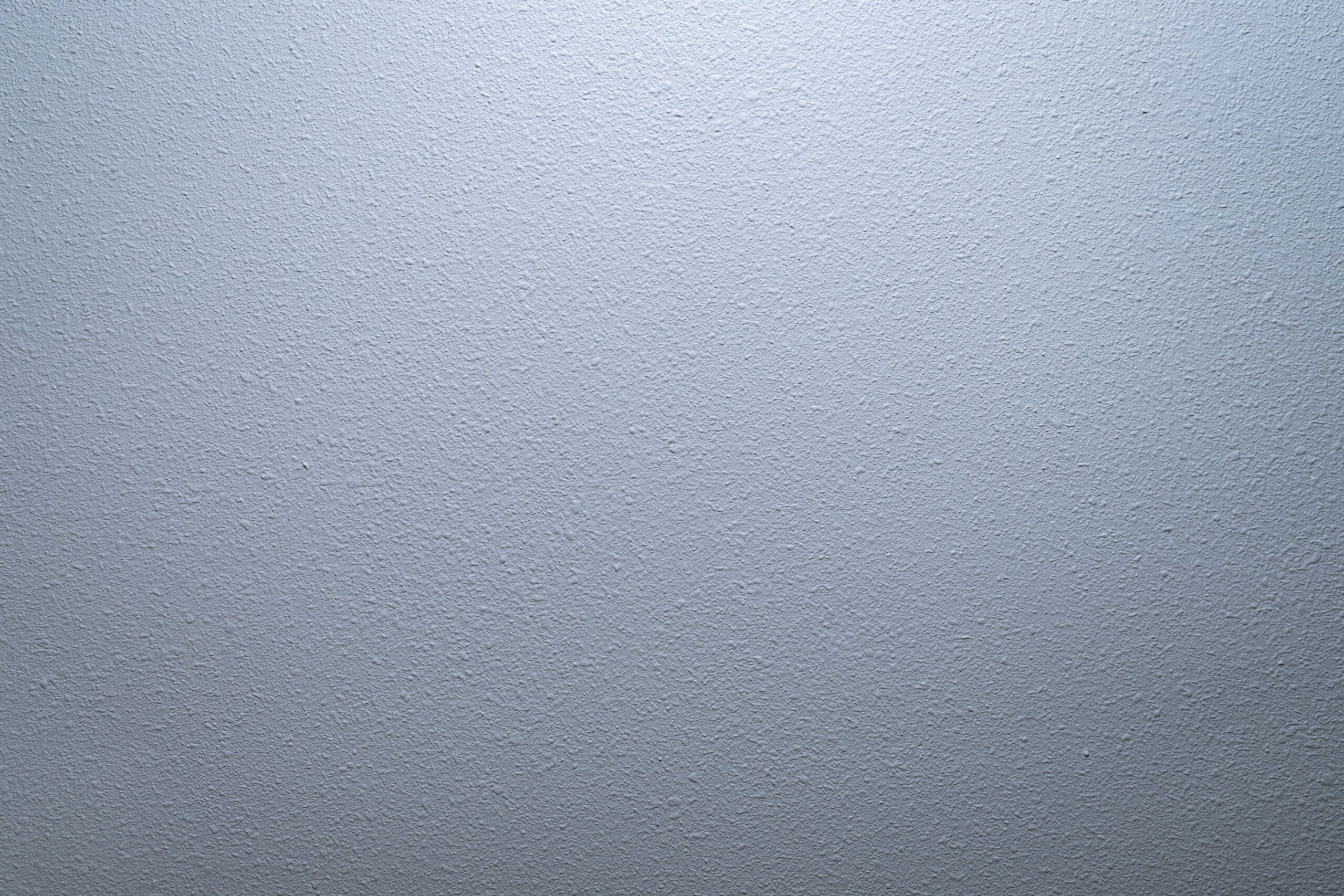
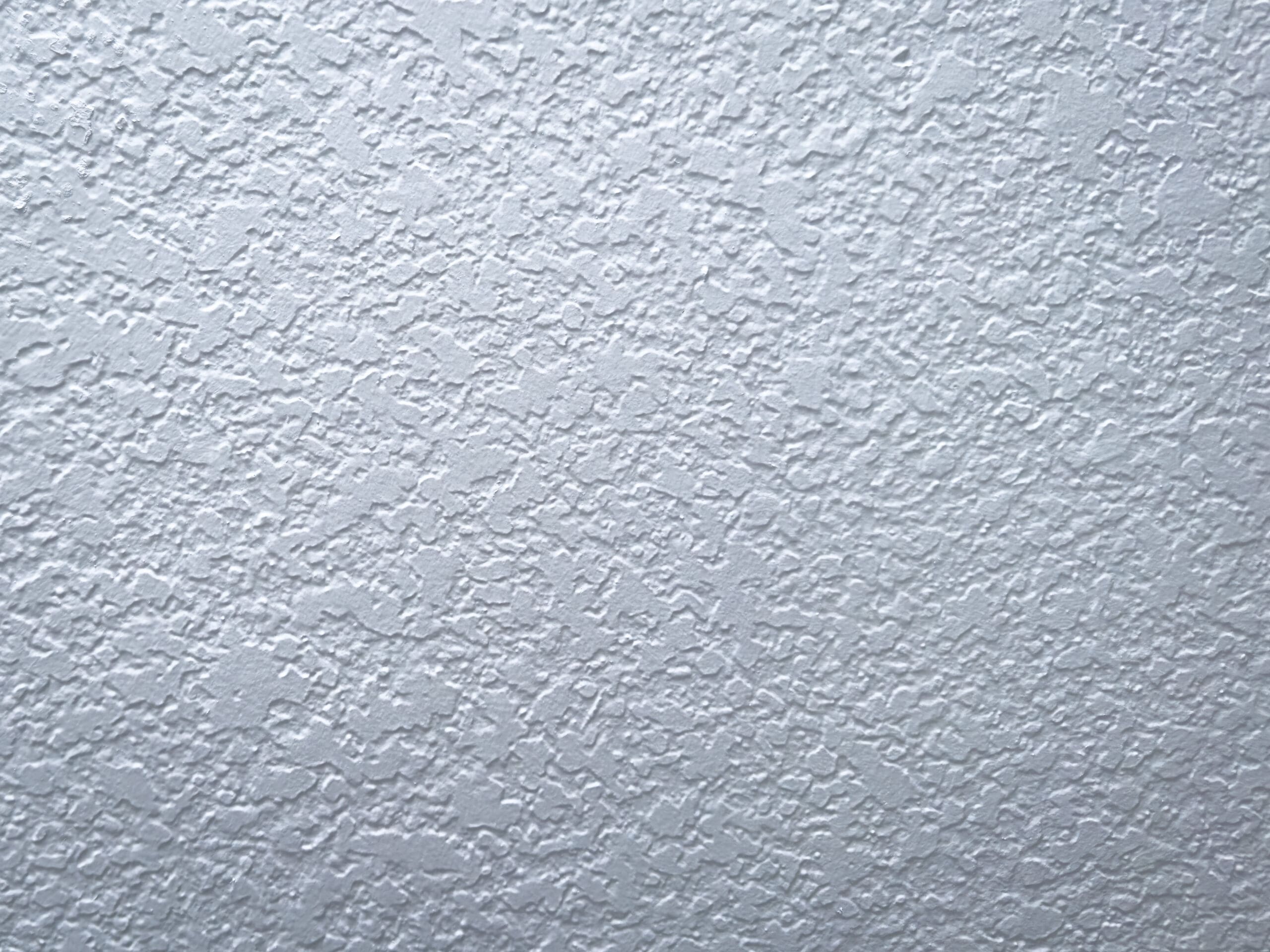
1) Orange Peel
Look: Soft, even “dimples,” like the skin of an orange.
Where it shines: Walls throughout the home; especially practical for kids’ rooms and busy spaces.
Pros: Hides small imperfections; touches up very well; doesn’t fight with decor; reads clean on camera. Lighter orange peel maintains a modern aesthetic.
Watch‑outs: Heavy orange peel looks dated; keep the pattern fine and consistent. Inconsistent orange peel is the hallmark of low skill work or equipment malfunction.
2) Light–Medium Knockdown (Splatter Knockdown)
Look: A sprayed splatter lightly flattened with a wide knife, creating a mottled but discreet pattern.
Where it shines: Ceilings and high‑traffic walls; helps mask framing waves or old repairs. Also good if you are going for that “spanish villa” look in your home.
Pros: More character than orange peel without feeling busy.
Watch‑outs: Avoid heavy, chunky knockdown—it can feel early‑2000s and complicate future repainting. It is more difficult to match and often times a match is not guaranteed.
3) Smooth (No Texture)
Look: Flat and modern. It makes rooms feel larger and cleaner.
Where it shines: Living rooms, dining rooms, entries, long hallways, and any area with big windows or dark/glossy paint.
Pros: Crisp photos; timeless; easy to repaint.
Watch‑outs: Smooth surfaces require better prep; side lighting will reveal flaws if the finishing isn’t high quality (often Level 5 is worth it).

Less common drywall textures in Washington
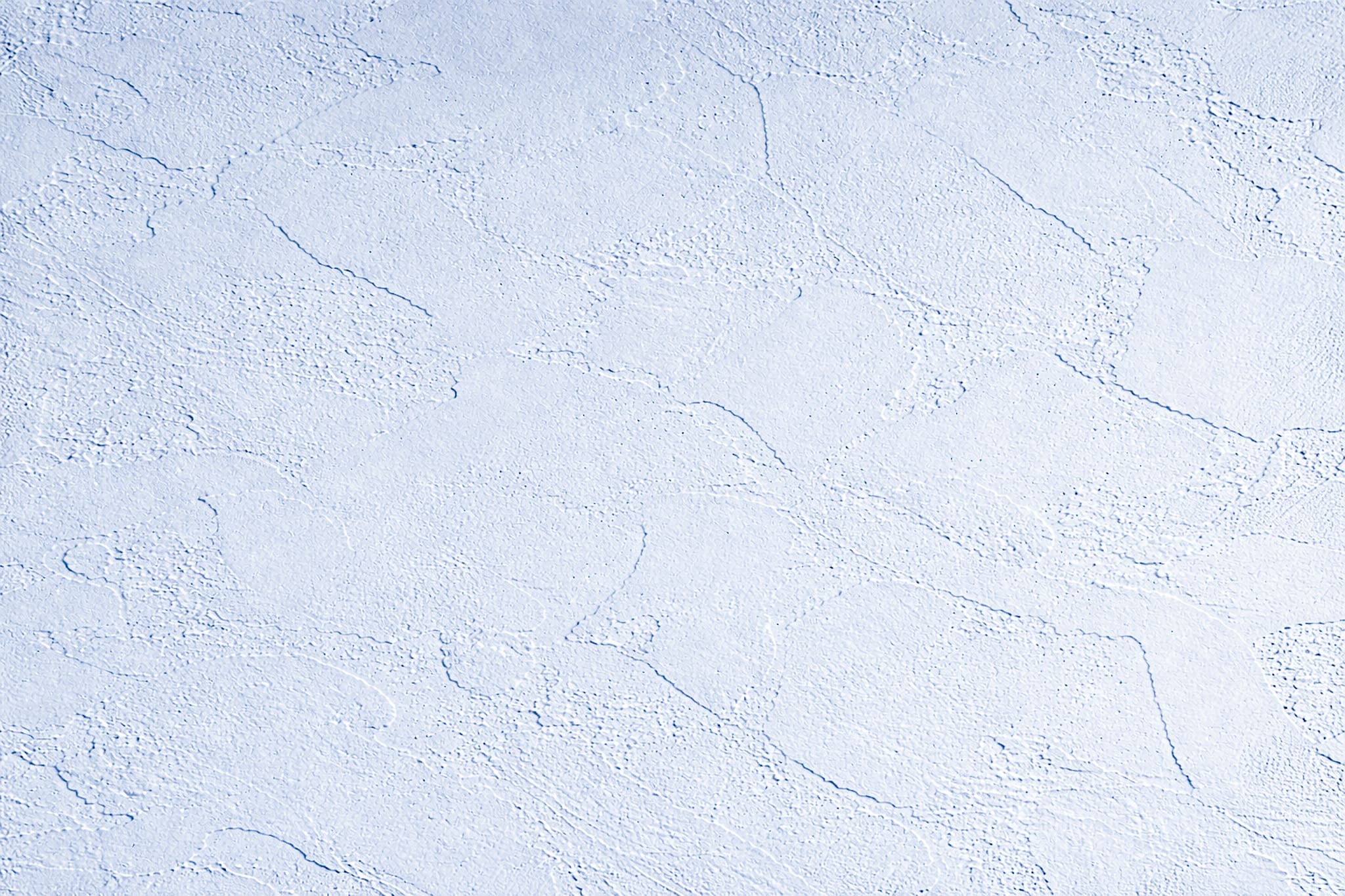
1) Skip‑Trowel / Santa Fe
Look: Broad, random “skips” and plateaus; artisan and slightly rustic.
Use it for: Feature walls, fireplaces, and custom homes where you want subtle movement.
PNW reality: Lovely in small doses; uncommon across entire homes.

2) Hand‑Troweled / Spanish Lace
Look: Non‑repeating, more pronounced patterning that reads craftsman or Tuscan.
Use it for: Accent areas or period‑style remodels.
PNW reality: Selective use only; busy versions may narrow buyer appeal.
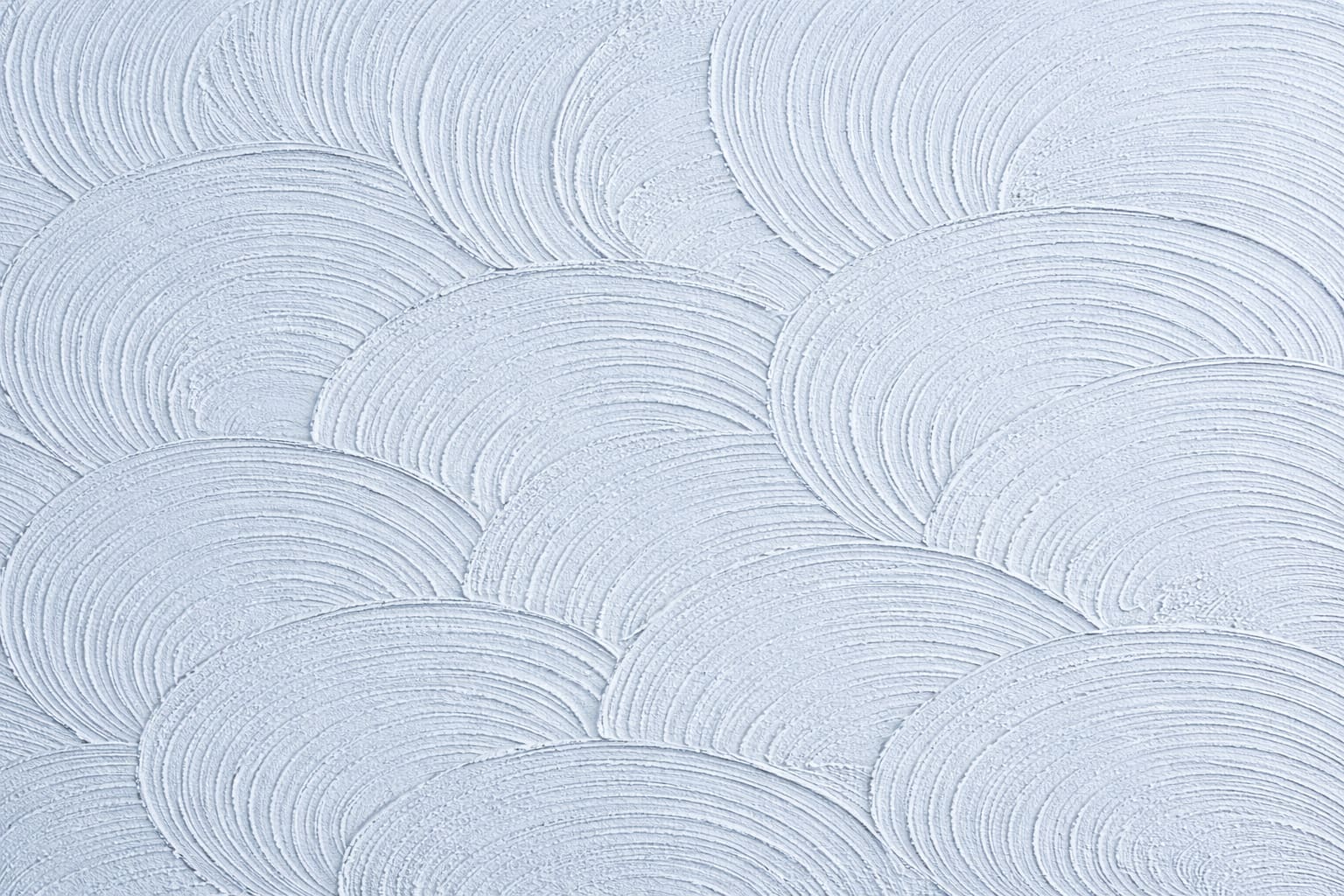
3) Sand Swirl / Comb / Swirl
Look: Arced or looped patterns created with a brush or comb.
Use it for: Nostalgic or regional styles outside the PNW.
PNW reality: Rare today in Washington; better reserved for restorations.
Drywall Textures that can date a home
1) Popcorn / Acoustic Ceilings
Why it dates a home: Heavily peaked, dust‑catching texture that screams mid‑century to 1980s. It darkens rooms and photographs poorly.
What to do: Many homeowners remove or cover popcorn. If your ceiling is pre‑1980, test before disturbing; removal may require a qualified abatement pro.

2) Heavy Stomp / Crow’s Foot / Heavy Lace
Why it dates a home: Bold, busy patterns draw attention and clash with modern paint and lighting.
What to do: If you like texture, keep it light and uniform; otherwise, skim and smooth key rooms.
3) Heavy Knockdown
Why it dates a home: Large, dense splatters flatten into blotches that are hard to blend and repaint.
What to do: If you prefer knockdown, choose a light or medium version for a fresher look.
Which Drywall Texture Works Where?
| Room / Condition | Best pick (PNW) | Why it works |
|---|---|---|
| Rooms with big windows / strong side light | Smooth (Level 4–5) or very light orange peel | Side light exaggerates flaws; smoother reads premium and photographs cleanly. |
| Ceilings with minor waves or old repairs | Light–medium knockdown | Breaks up shadows and blends patchwork without feeling busy. |
| Main living areas (open plan) | Smooth or light orange peel | Clean lines, modern look, and easier future repainting. |
| Bedrooms / family rooms | Light orange peel or light knockdown | Forgiving of dings; touch‑ups blend quickly. |
| Hallways & high‑traffic walls | Light orange peel | Subtle, durable, and quick to spot‑repair. |
| Accent or custom spaces | Skip‑trowel / Santa Fe (limited) | Adds character in small doses without overpowering the home. |
Tip: If you’re choosing with resale in mind, lean towards smooth or keep textures light and consistent.
How Drywall Texture Affects repairability
Smooth: Easiest to paint later, but shows flaws if prep is rushed. In critical light, consider a Level 5 skim before new color.
Light Orange Peel: Most forgiving for touch‑ups; spray blending works if the droplet size and pressure match.
Light–Medium Knockdown: Patchable, but you’ll likely feather a wider area to disappear the repair.
Hand‑troweled / Santa Fe: Repairs are craft‑dependent; keep a pro’s contact who can replicate the pattern.
Popcorn: Often removed; if you keep it, expect careful repainting with a thicker nap and lots of dust control during any repair.
Choosing Drywall Texture with Resale in Mind
If you plan to sell within 12 months, think like a buyer scrolling through photos. Smooth or light textures help rooms feel brighter, newer, and “move‑in ready.” Conversely, popcorn and heavy patterns can imply “work to do,” which depresses interest and invites lower offers. Therefore, focus on entries, living rooms, kitchens, and primary bedrooms—the spaces that anchor photos and first impressions.
Under strong side lighting, even small surface flaws “telegraph” through paint, so a smoother substrate often performs better in the photos that matter most. Where light is severe (big windows, long hallways), consider upgrading the finish level (e.g., a Level 5 skim) before paint to minimize visible joints and flashing [2].
Color can help—but only if the substrate is even. Recent Zillow research found that specific, on‑trend hues (e.g., olive green kitchens, navy bedrooms) were associated with higher buyer bid willingness, which can translate to a measurable sale‑price lift [3]. That benefit shows best on flat, consistent walls [2].
Some textures can date a home or imply “work to do.” In the PNW and nationwide, popcorn ceilings are widely seen as outdated and are often removed during pre‑sale refreshes; heavy stomp or dense knockdown can also feel older and are harder to blend invisibly [4] [5].
Finally, stage and perfect the rooms buyers weigh most: living room, primary bedroom, and kitchen. Those spaces anchor listing photos and first impressions, and buyer’s agents consistently rank them as the most important to stage well [6]. If time or budget is tight, prioritize these rooms for smoothing, light texture, and fresh paint [6].
Ready For Perfect Walls?
We can match existing patterns, remove dated ceilings, or deliver smooth, gallery‑clean walls—often with same‑week scheduling.